Storm season in New Zealand can be unpredictable. One moment it is calm, and the next you are dealing with strong winds, heavy rain, and fallen branches. For property owners, one of the best ways to prepare is to assess the condition of your trees before the bad weather arrives.
At Apex Arborists, we specialise in proactive tree care and risk assessment. Here is a practical guide to help you identify potential hazards and take action ahead of storm season.
1. Start with a Visual Inspection
Take a walk around your property and look carefully at each tree. You do not need to be a professional to spot the basics, just take your time and be observant.
Look out for:
- Dead or hanging branches: These are often the first to fall in high winds.
- Cracks or splits in the trunk or large limbs: These can indicate internal damage or structural stress.
- Fungal growth at the base: Mushrooms or other fungi may point to root or trunk decay.
- Sudden leaning: A tree that is leaning more than usual, or has recently started to lean, could be unstable.
If you notice any of these issues, the tree could pose a risk during a storm.
2. Examine the Tree Canopy
The canopy can tell you a lot about the tree’s overall health.
Look for:
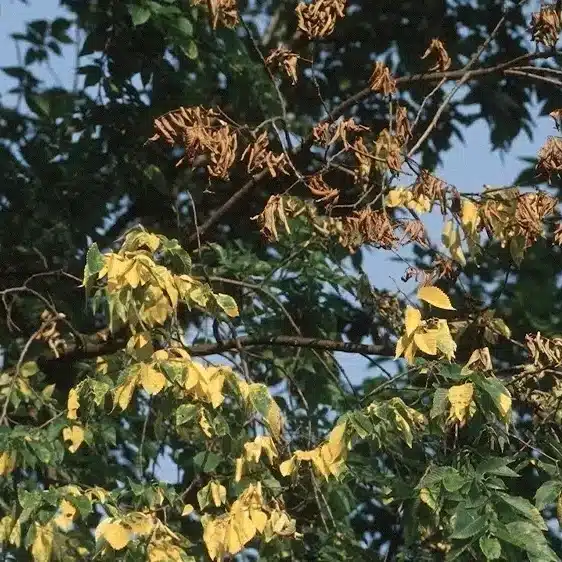
- Sparse or patchy foliage
- Dead or bare branches
- An uneven or lopsided canopy, which can catch the wind and increase the chance of falling
A healthy, well-balanced canopy is better able to withstand rough weather.
If the canopy appears overgrown or unbalanced, selective pruning may be required.
3. Inspect the Root Zone
Although most of a tree’s roots are hidden underground, some visible indicators can reveal problems.
Keep an eye out for:
- Heaving or cracked soil around the base
- Lifting pavements or driveways nearby
- Fungal growth or decay near the trunk, which may suggest root issues
Because root problems are often hidden, it is best to get an arborist’s opinion if you are unsure.
4. Check for Power Line Proximity
Trees that are growing close to overhead power lines pose a significant safety risk. If you see branches near or touching power lines:
- Do not attempt to trim them yourself. It is dangerous and may require council approval.
- Contact a qualified arborist with the proper training and equipment to manage the job safely.
At Apex Arborists, we are fully certified to carry out this type of work and can coordinate with your local council or utility provider if needed.
5. Consider the Tree’s Location and History
Understanding a tree’s background and surroundings can help assess its risk.
Ask yourself:
- Has it been poorly pruned in the past?
- Is it a fast-growing or shallow-rooted species?
- Is it close to your home, garage, fence, or a neighbour’s property?
- Has it suffered storm damage previously?
All of these factors can increase the likelihood of the tree becoming hazardous in rough weather.
6. Know When to Call the Experts
Even if nothing looks obviously wrong, a trained arborist can detect issues that are not visible to the untrained eye, such as internal decay, pest damage, or structural weaknesses.
At Apex Arborists, we offer comprehensive pre-storm assessments and expert advice. Whether it is tree pruning, bracing, or safe tree removal, we tailor our recommendations to your specific landscape and trees.
Final Thoughts
Trees are a valuable asset to any property, offering shade, privacy, and beauty. However, they also require care to remain safe and healthy, especially in storm conditions.
A professional tree risk assessment can prevent expensive damage and give you peace of mind. If you are unsure about a tree on your property, do not wait until the weather turns.