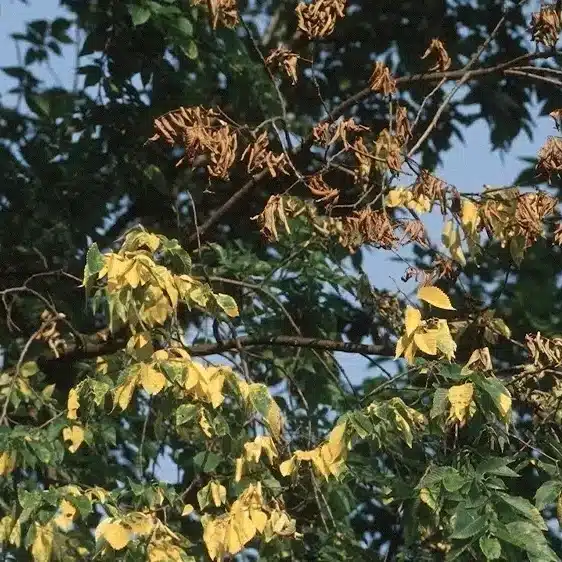
Picture this: a homeowner spends $500 on a beautiful oak tree, plants it in what seems like the perfect spot, and discovers five years later that its roots are threatening their foundation and its canopy is blocking the winter sun. Sound familiar? As professional arborists, we see the consequences of poor tree placement decisions far too often.
Here’s what we’ve learned: the location you choose is often more important than the tree itself. A decent tree in the right spot will outperform a perfect tree in the wrong place every time. This guide will help you make informed decisions that you’ll still be happy with decades down the track.
Understanding Your Property’s Unique Conditions
Before you even consider tree species, you need to really understand your property’s specific conditions. New Zealand’s diverse climate and terrain mean that what works brilliantly in one location might be a complete disaster just down the road.
Start with a soil assessment. Dig a few test holes around your property to understand soil depth, drainage, and composition. Clay soils in many parts of Auckland and Hamilton can become waterlogged in winter but bone dry in summer, while the free-draining volcanic soils of the central North Island present completely different challenges. If your spade hits hardpan or rock at 30cm, you’ll need to choose trees accordingly or invest in significant soil improvement.
Your property has its own microclimates – sometimes dramatically different from the general area’s conditions. That sheltered north-facing slope might be perfect for frost-sensitive species, while the exposed ridge line needs trees that can handle strong winds. Walk your property at different times of day and through different seasons. Notice where frost settles, where water pools after rain, and which areas get the harshest wind exposure.
Sun and shade patterns change throughout the year as the sun’s angle shifts. That spot that seems sunny in winter might be in deep shade come summer when deciduous trees leaf out. Use smartphone apps or observe your property through the seasons to understand these patterns before committing to permanent plantings.
For coastal properties, salt exposure from onshore winds can extend several kilometres inland. Trees that thrive just a few hundred meters from the coast might struggle with salt burn in exposed beachfront locations. Similarly, urban environments present unique challenges with air pollution, heat islands created by concrete and asphalt, and often compacted soils.
Defining Your Goals: What Do You Want Your Trees to Achieve?
Clear goals lead to better tree selection and placement decisions. Are you primarily seeking privacy from neighbours, shade for outdoor entertaining, or a windbreak to protect your vegetable garden?
Privacy screening requires considerations different from those of shade trees. You’ll want trees that retain lower branches or can be underplanted with shrubs. Consider the privacy needs from inside your house and outdoor living areas, and remember that deciduous trees provide no screening in winter.
Shade provision is about more than just blocking the sun. The ideal shade tree for a deck or patio should have branches high enough for clearance but a canopy broad enough to provide meaningful coverage. Consider whether you want year-round shade or prefer deciduous trees that allow winter sun to naturally warm your home.
Windbreak establishment requires understanding your prevailing wind patterns. In most of New Zealand, the strongest winds come from the west and northwest, but local topography can create wind tunnels or downdrafts that affect tree selection. Effective windbreaks often use multiple rows of trees of varying heights rather than a single line of identical trees.

Critical Placement Considerations
Poor placement decisions are expensive and can create ongoing problems for decades. The golden rule is to always plan for a tree’s mature size, not its current nursery size.
Building and infrastructure clearance should account for mature trees’ canopy spread and root systems. Large trees should be planted at least 10-15 meters from buildings, while smaller species can be closer but still need adequate space. Consider not just your current structures but potential future additions or improvements.
Power lines are a constant source of conflict with trees. Transpower and local network companies have strict clearance requirements, and violating these can result in your trees being severely pruned or removed at your expense. When in doubt, contact your local lines company for guidance.
Tree roots can damage underground services, including septic systems, water lines, and telecommunications cables. Before planting, locate and mark all underground services. Some councils offer service location services, or you can contact utility companies directly.
Neighbour relations can be permanently damaged by poor tree placement. Trees that drop leaves on neighbouring properties, block views, or shade gardens can create ongoing disputes. A conversation with neighbours before planting can prevent years of conflict.
Matching Trees to New Zealand’s Diverse Environments
New Zealand’s varied geography means there’s no one-size-fits-all approach to tree selection.
Coastal properties face unique challenges from salt-laden winds, sandy soils, and often exposed conditions. Excellent coastal performers include pohutukawa (where climate appropriate), Norfolk pine, macrocarpa, and pittosporum species. These trees have evolved mechanisms to handle salt exposure and wind stress that would quickly damage inland species.
Urban environments require trees that tolerate air pollution, compacted soils, and heat reflection from buildings and pavement. Street trees like plane trees, liquidambar, and certain oak species have proven themselves in these challenging conditions. Urban trees must also often fit within limited spaces while providing meaningful benefits.
Rural and lifestyle properties offer more space but often need trees to serve practical functions like shelter for livestock or protection for more sensitive plants. Shelter belts might combine fast-growing nurse species like tree lucerne with longer-term hardwood species like oak or chestnut.
Smart Selection for Common New Zealand Scenarios
North-facing outdoor areas benefit enormously from deciduous trees that provide summer shade but allow winter sun through. Japanese maples, liquidambars, and deciduous oaks can transform an outdoor space, making it usable in summer while not blocking precious winter warmth.
Year-round privacy requires evergreen species, but carefully consider the growth rate and mature size. Fast-growing conifers like leylandii can provide quick results but may quickly outgrow their space. Slower-growing natives like totara or kauri provide long-term solutions but require patience.
Screening at boundaries often works best with a variety of species at different heights. Combining understory shrubs, medium-height trees, and occasional tall trees creates more natural-looking and effective screening than a rigid line of identical trees.
When choosing between native and exotic species, consider your long-term goals. Natives generally require less ongoing care once established and provide better habitat for local wildlife. However, exotic species sometimes offer specific characteristics like autumn colour or fruit production that natives can’t match.
Timing and Planting Considerations
In New Zealand, autumn planting (March through May) often gives trees the best start, allowing root establishment during cooler, moister months before facing their first summer. Winter planting can work in milder areas, but avoid planting during the coldest months when growth is minimal.
Site preparation is crucial for long-term success. This might involve improving drainage, adding organic matter, or creating raised planting areas in poorly-draining soils. The investment in proper site preparation pays dividends for decades.
Common Mistakes to Avoid
Impulse purchases at garden centres often lead to poor choices. That attractive tree might be entirely wrong for your conditions or intended purpose. Plan first, then purchase.
Ignoring mature size is the most common mistake. That small 2-meter sapling might become a 20-meter giant that overwhelms your section. Always research and plan for mature dimensions.
Planting too deeply kills more trees than almost any other factor. The root flare should be visible at or just above soil level. When in doubt, plant slightly high rather than too deep.
Neglecting establishment care means even well-chosen and properly planted trees may fail. Adequate watering during the first few summers, mulching, and protection from wind or stock are essential investments.
Making the Right Choice for Your Property
Successful tree placement combines understanding your property’s conditions with clear goals and realistic expectations. While this guide provides a framework for decision-making, every property is unique, and complex situations often benefit from professional assessment.
Consider factors like your property’s aspect, soil conditions, existing vegetation, and intended use of different areas. Think about how your needs might change over time – that privacy screen might become less important as children grow up and leave home, while shade for outdoor entertaining might become more valuable.
Remember that trees are long-term investments that will outlive most other landscape features. Taking time to make informed decisions now prevents costly mistakes and ensures you’ll enjoy the benefits for decades.
Ready to make the right tree choices for your property? Our qualified arborists can assess your site conditions and help you develop a planting plan that meets your goals while avoiding common pitfalls. Contact us today for a consultation and ensure your tree investments deliver maximum long-term value.